

Designing sheet metal components involves considering not only functional requirements but also process requirements, assembly requirements, and cost requirements. Compared to castings and forgings, sheet metal components offer higher strength and lighter structural weight. They are easier to process, require simpler equipment, have flat surfaces, minimal processing allowances, and can reduce weight, shorten production cycles, and lower costs.
I. Functional Requirements
Functional requirements primarily involve meeting the system's structural requirements, strength requirements, shielding requirements, grounding conductivity, etc. The system's structure refers to the placement, form, and assembly methods of hardware, PCB boards, wires, power supplies, etc., within a system's space. Due to their good strength, stiffness, processability, and conductivity, sheet metal components are typically responsible for supporting most of the hardware, PCB boards, wires, power supplies, etc., in the system. The placement requirements for hardware can vary, and mechanical strength is crucial in sheet metal component design. Since sheet metal components bear most of the weight in the system, any issues with their mechanical strength can affect the overall system strength. Medical instruments, for example, often require vibration, drop, collision, and impact tests. Some machines even require the strength to withstand impacts of up to 100g, necessitating sufficient mechanical strength and stiffness. This is especially important for sheet metal components that support suspended hardware and play a major supporting role, such as brackets.
II. Process Requirements
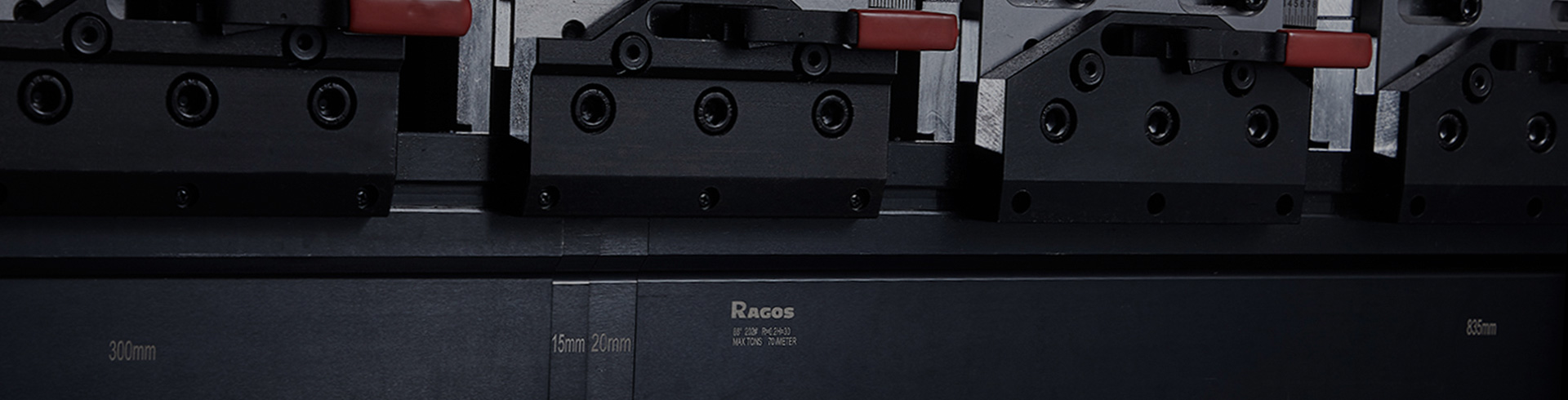
The main processing equipment for sheet metal components includes CNC punch presses, bending machines, punch presses, shearing machines, milling machines, drilling machines, welding equipment, etc. Sheet metal forming can be categorized into three basic types: compression forming, elongation forming, and bending forming.
Processes such as straightening, bending, rolling, punching, and deep drawing in sheet metal component fabrication utilize the plastic deformation of metals at room temperature to achieve the desired shapes. Therefore, the plastic deformation of metals is the foundation of metal forming.
When metals are subjected to external forces in a cold state, their shape and dimensions change. This change can be elastic or plastic. Elastic deformation refers to the ability to recover the original shape and size after the external force is removed, while plastic deformation refers to the inability to recover. The most basic form of metal plastic deformation is slip.
1. Punching: Punching is a stamping method that uses a punch die to separate the sheet metal from the blank along a closed contour. The main equipment used is a punch press. It can produce finished parts or prepare blanks for processes such as bending, deep drawing, and forming. Punching can be divided into blanking and punching. Blanking refers to the process of obtaining components or blanks with certain shapes, while punching refers to obtaining perforated components. The deformation process of separating the sheet metal can be divided into three stages: elastic deformation, plastic deformation, and shearing.
2. Bending: Bending is primarily done using a bending machine or manually. During the bending process, the outer layer of the sheet metal experiences tensile stress, while the inner layer experiences compressive stress. The transition layer between tension and compression, which is not subjected to either force, is known as the neutral layer. The length of the neutral layer remains unchanged during bending, serving as the reference for calculating the unfolded length.
3. Connection of Sheet Metal Components: Common cold-working methods for connecting sheet metal components include seam joining, riveting, welding, screw fastening, and embedded (expansion) methods.
III. Assembly Requirements
Assembly should be considered when designing sheet metal components.
For mass production, it is advisable to minimize the use of complex structures that are time-consuming and costly. Instead, utilize methods such as punching and forming with molds to create snap-fit connections, protrusions, etc.
For small-batch production, assembly considerations can be reduced. In our company, all products are produced in small batches, so we only need to consider the sequence of assembly and the assembly methods.
IV. Cost Requirements
For mass production, it is important to shorten the assembly cycle and minimize assembly costs. Mold stamping and forming production methods can be employed to achieve cost reduction.
For small-batch production, simple assembly methods should be utilized whenever possible.
V. Material Selection
The sheet metal components we commonly use are made of thin steel sheets produced through cold rolling or hot rolling methods. Depending on the application, the materials for thin steel sheets include low carbon steel, stainless steel, and some are coated with a layer of colored metal film, known as coated thin steel sheets (such as galvanized steel sheets, lead-coated steel sheets, tin-plated steel sheets), while others use aluminum sheets. Galvanized steel sheets, also known as white zinc sheets, have strong corrosion resistance and an aesthetically pleasing surface with a crystalline pattern of the zinc coating. Galvanized steel sheets can be used as long as the corrosion resistance of the processed steel sheet is acceptable. Our company's products are generally placed in indoor environments where strong corrosion is not a concern, so galvanized steel sheets can be used.
I. Functional Requirements
Functional requirements primarily involve meeting the system's structural requirements, strength requirements, shielding requirements, grounding conductivity, etc. The system's structure refers to the placement, form, and assembly methods of hardware, PCB boards, wires, power supplies, etc., within a system's space. Due to their good strength, stiffness, processability, and conductivity, sheet metal components are typically responsible for supporting most of the hardware, PCB boards, wires, power supplies, etc., in the system. The placement requirements for hardware can vary, and mechanical strength is crucial in sheet metal component design. Since sheet metal components bear most of the weight in the system, any issues with their mechanical strength can affect the overall system strength. Medical instruments, for example, often require vibration, drop, collision, and impact tests. Some machines even require the strength to withstand impacts of up to 100g, necessitating sufficient mechanical strength and stiffness. This is especially important for sheet metal components that support suspended hardware and play a major supporting role, such as brackets.
II. Process Requirements
The main processing equipment for sheet metal components includes CNC punch presses, bending machines, punch presses, shearing machines, milling machines, drilling machines, welding equipment, etc. Sheet metal forming can be categorized into three basic types: compression forming, elongation forming, and bending forming.
Processes such as straightening, bending, rolling, punching, and deep drawing in sheet metal component fabrication utilize the plastic deformation of metals at room temperature to achieve the desired shapes. Therefore, the plastic deformation of metals is the foundation of metal forming.
When metals are subjected to external forces in a cold state, their shape and dimensions change. This change can be elastic or plastic. Elastic deformation refers to the ability to recover the original shape and size after the external force is removed, while plastic deformation refers to the inability to recover. The most basic form of metal plastic deformation is slip.
1. Punching: Punching is a stamping method that uses a punch die to separate the sheet metal from the blank along a closed contour. The main equipment used is a punch press. It can produce finished parts or prepare blanks for processes such as bending, deep drawing, and forming. Punching can be divided into blanking and punching. Blanking refers to the process of obtaining components or blanks with certain shapes, while punching refers to obtaining perforated components. The deformation process of separating the sheet metal can be divided into three stages: elastic deformation, plastic deformation, and shearing.
2. Bending: Bending is primarily done using a bending machine or manually. During the bending process, the outer layer of the sheet metal experiences tensile stress, while the inner layer experiences compressive stress. The transition layer between tension and compression, which is not subjected to either force, is known as the neutral layer. The length of the neutral layer remains unchanged during bending, serving as the reference for calculating the unfolded length.
3. Connection of Sheet Metal Components: Common cold-working methods for connecting sheet metal components include seam joining, riveting, welding, screw fastening, and embedded (expansion) methods.
III. Assembly Requirements
Assembly should be considered when designing sheet metal components.
For mass production, it is advisable to minimize the use of complex structures that are time-consuming and costly. Instead, utilize methods such as punching and forming with molds to create snap-fit connections, protrusions, etc.
For small-batch production, assembly considerations can be reduced. In our company, all products are produced in small batches, so we only need to consider the sequence of assembly and the assembly methods.
IV. Cost Requirements
For mass production, it is important to shorten the assembly cycle and minimize assembly costs. Mold stamping and forming production methods can be employed to achieve cost reduction.
For small-batch production, simple assembly methods should be utilized whenever possible.
V. Material Selection
The sheet metal components we commonly use are made of thin steel sheets produced through cold rolling or hot rolling methods. Depending on the application, the materials for thin steel sheets include low carbon steel, stainless steel, and some are coated with a layer of colored metal film, known as coated thin steel sheets (such as galvanized steel sheets, lead-coated steel sheets, tin-plated steel sheets), while others use aluminum sheets. Galvanized steel sheets, also known as white zinc sheets, have strong corrosion resistance and an aesthetically pleasing surface with a crystalline pattern of the zinc coating. Galvanized steel sheets can be used as long as the corrosion resistance of the processed steel sheet is acceptable. Our company's products are generally placed in indoor environments where strong corrosion is not a concern, so galvanized steel sheets can be used.

